
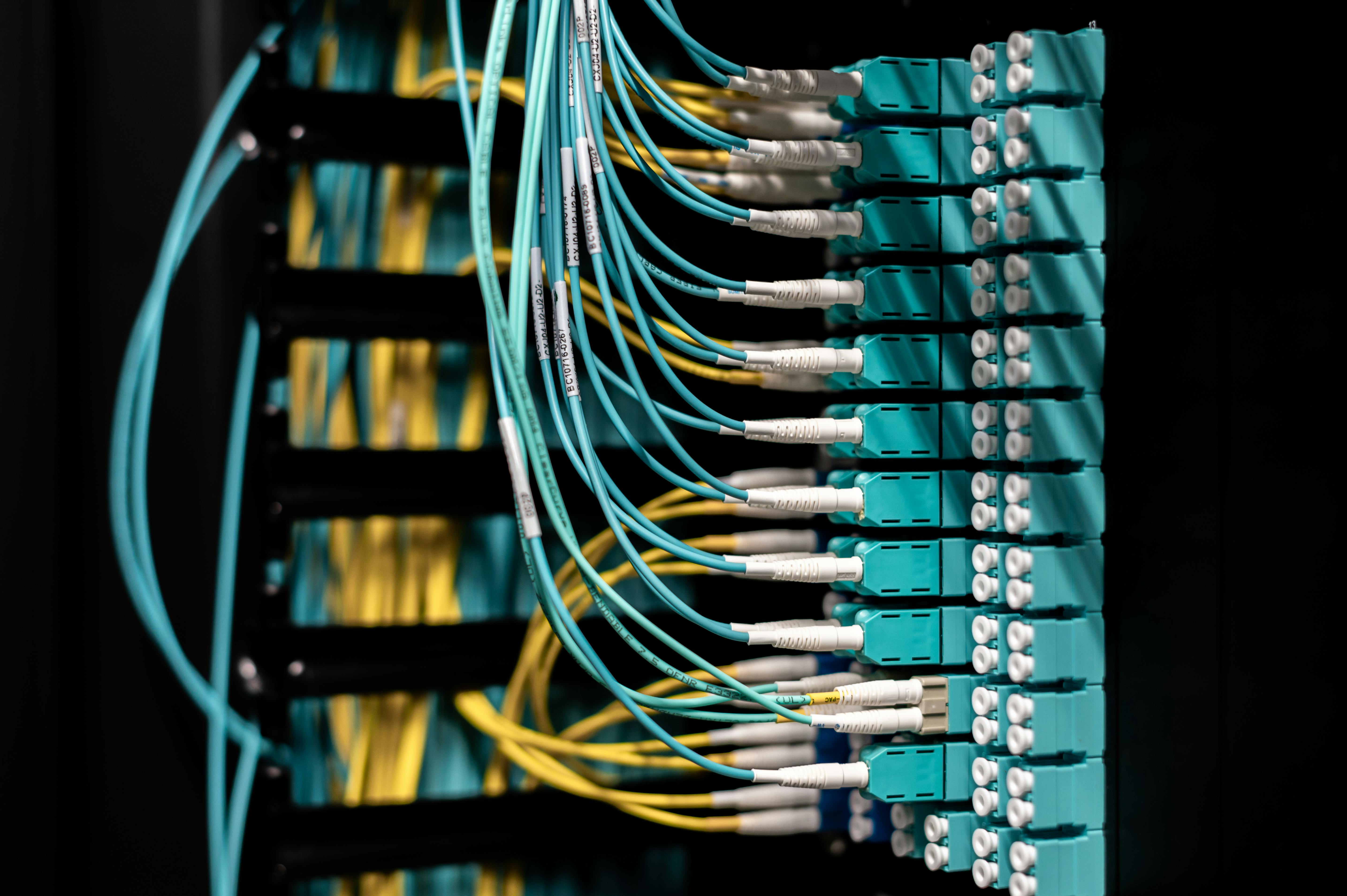
When it comes to managing cables, wires, and bundles across industrial, commercial, or construction environments, cable ties are one of the most mission-critical yet often overlooked components in your supply chain. Choosing the wrong cable ties supplier can lead to product failures, compliance issues, costly downtime, and repeated procurement headaches.
This guide is written for procurement teams, supply chain managers, distributors, and B2B buyers who want to make smarter, more informed decisions when sourcing cable ties at scale.
Why Your Choice of Cable Ties Supplier Matters More Than You Think
Most procurement professionals treat cable ties as a commodity. After all, they look the same in every catalog photo. But in practice, the difference between a high-quality cable ties supplier and a low-cost, unreliable source can have serious downstream consequences.
Poor-quality cable ties can:
- Snap under tension, causing wire bundles to loosen in critical environments
- Degrade faster under UV exposure, heat, or chemicals
- Fail safety and compliance certifications, exposing your business to liability
- Vary in dimensions, creating inconsistencies in automated assembly lines
For businesses operating in industries like automotive manufacturing, data centers, aerospace, marine, construction, and electrical installation, these risks are not theoretical. They translate into real operational losses.
Working with a reputable cable ties distributor or supplier means you get consistent quality, reliable lead times, verified compliance standards, and a long-term supply partner — not just a box of plastic ties.
Key Factors to Evaluate When Sourcing Cable Ties
1. Material Quality and Product Range
The first thing any serious buyer should assess is the range of materials a cable ties supplier works with. Standard nylon 66 (PA66) is the most common material, offering a good balance of strength, flexibility, and cost. However, depending on your application, you may need:
- Stainless steel cable ties for high-heat or highly corrosive environments
- UV-stabilized nylon for outdoor applications exposed to direct sunlight
- Heat-stabilized variants for use near engines or furnaces
- Flame-retardant (FR) cable ties for electrical and fire-safety-critical environments
- Releasable or reusable ties for applications requiring periodic maintenance
A capable cable ties manufacturer should offer a wide product matrix across these material types, with documented specifications for tensile strength, operating temperature range, and chemical resistance.
2. Manufacturing Standards and Certifications
For B2B procurement teams and distributors, compliance is non-negotiable. Before committing to a cable ties supplier, verify the following:
- ISO 9001 – Quality management systems certification, confirming consistent production processes
- RoHS Compliance – Ensures products are free from hazardous substances, critical for electronics and EU market entry
- UL Listing – Relevant for electrical applications in North American markets
- REACH Compliance – Required for European market distribution
- Military or defense-grade standards – If applicable to your sector
Ask any prospective supplier to provide documentation for each certification applicable to your target market. A credible supplier will have these readily available, not produced on request after weeks of follow-up.
3. Custom Supply and Private Label Capabilities
Off-the-shelf cable ties cover most standard use cases, but many B2B buyers and distributors eventually require custom specifications. Your cable ties supplier should be able to accommodate:
- Custom lengths and widths to fit specific installation requirements
- Branded or color-coded ties for identification and organization purposes
- Special locking mechanisms (push-mount, screw mount, ball-lock, etc.)
- Logo printing or labeling for branded packaging or resale
- Custom bulk packaging to suit your warehouse or distribution needs
If the supplier you’re evaluating cannot support custom or private label orders, you may outgrow them quickly as your business scales.
4. Production Capacity and Lead Times
For procurement teams and distributors managing large-scale projects or high-volume recurring orders, supply capacity is critical. When evaluating a cable ties supplier, ask:
- What is the minimum order quantity (MOQ)?
- What is the standard lead time for stock orders vs. custom orders?
- Can they accommodate rush orders or seasonal demand spikes?
- Do they hold buffer inventory for key product lines?
A reliable supply partner will be transparent about their production capacity and proactive about communicating potential constraints. This is particularly important in industries where project timelines are tight and delays are expensive.
5. Pricing Structure and Total Cost of Ownership
Price matters — but smart procurement teams look beyond unit cost. The true cost of sourcing cable ties from a supplier includes:
- Unit price at your required volume
- Shipping and logistics costs (especially for international suppliers)
- Defect rates and replacement costs
- Compliance and testing costs if certification documentation is not provided
- Administrative overhead for managing a difficult or unreliable partner
A cable ties distributor or supplier offering slightly higher unit prices but with better quality control, faster turnaround, and responsive account management will almost always deliver a lower total cost of ownership than a rock-bottom vendor with poor service.
Red Flags to Watch Out for When Selecting a Cable Ties Distributor
Even experienced procurement professionals can be caught out by unreliable supply partners. Here are the warning signs to watch for:
No verifiable certifications — If a supplier cannot provide ISO or RoHS documentation, treat this as a serious red flag, especially for regulated industries.
Inconsistent samples vs. production runs — Some vendors provide high-quality samples but reduce material quality in bulk production. Always request batch testing or third-party quality audits.
Vague lead time commitments — A supplier that cannot give clear, contractual lead times is likely managing capacity issues or relying on third-party production.
No dedicated account management — If you can’t reach the same point of contact consistently, you’ll struggle to resolve issues quickly. Good suppliers assign dedicated reps to key accounts.
Limited technical support — If a supplier cannot provide tensile strength data sheets, material safety data sheets (MSDS), or application guidance, they are not truly a supply partner.
Industries That Rely on High-Quality Cable Ties Supply
Understanding which industries demand the highest standards from their cable ties supplier helps contextualize why quality matters:
Automotive: Cable ties in vehicles are subject to extreme vibration, heat cycles, and chemical exposure. Suppliers must meet OEM-grade standards.
Data Centers: High-density environments require clean, consistent cable management. Flame-retardant and reusable cable ties are especially critical here.
Marine and Offshore: Salt air, moisture, and UV exposure demand UV-stabilized and stainless steel options from a proven supply source.
Aerospace and Defense: Application environments are severe and compliance requirements are strict. Only certified distributors and suppliers qualify for these supply chains.
Construction and Electrical: Large volume requirements, site safety compliance, and the need for UV-stable outdoor solutions drive specific sourcing requirements.
Industrial Automation: Custom lengths, push-mount systems, and color coding help manage increasingly complex automated systems.
What Sets Difvan Apart as a Cable Ties Supplier and Distributor
At Difvan, we have built our reputation on being more than just a vendor — we are a supply partner for businesses that cannot afford to compromise on quality or reliability.
Here is what you can expect when you source from us:
- Full product range across standard, UV-stabilized, heat-resistant, flame-retardant, stainless steel, and releasable cable ties
- ISO 9001-certified processes with rigorous in-line quality control
- Custom OEM and private label solutions for buyers with specific dimensional, material, or branding requirements
- Competitive pricing with volume-based discounts and transparent lead times
- Dedicated B2B account management so you always have a knowledgeable point of contact
- Fast global shipping with bulk fulfillment options to support high-volume procurement
Whether you’re a distributor looking to build a reliable product line, a procurement manager sourcing for industrial projects, or an EPC contractor managing a large infrastructure build, Difvan has the capacity and expertise to meet your requirements.
How to Get Started with a Cable Ties Supplier
If you’re ready to evaluate or switch your current cable ties supply partner, here is a simple process to follow:
- Define your requirements – List the specifications you need: material, size, tensile strength, certifications, volume, and delivery frequency.
- Request samples and datasheets – Any reputable supplier will provide product samples and technical documentation before you commit to an order.
- Verify certifications – Ask for copies of ISO, RoHS, UL, or other relevant certificates and validate them if needed.
- Get a formal quotation – Ensure pricing includes unit cost, packaging, and logistics. Ask about volume discounts.
- Start with a trial order – Before committing to a long-term contract, run a trial order to evaluate product quality, packaging, and on-time delivery.
- Build a long-term supply partnership – The best procurement outcomes come from investing in relationships with suppliers who know your business and can proactively support your growth.
Final Thoughts
Choosing the right cable ties supplier or distributor is a strategic procurement decision, not just a routine purchasing task. The stakes are higher than the unit price suggests — quality, compliance, capacity, and service are the factors that determine whether your supply chain runs smoothly or creates costly disruptions.
Difvan is committed to being the cable ties partner that B2B buyers, procurement teams, and distributors can trust, scale with, and rely on — order after order, year after year.
Ready to source smarter? Contact the Difvan team today to request samples, certifications, and a custom quotation tailored to your business requirements.
