
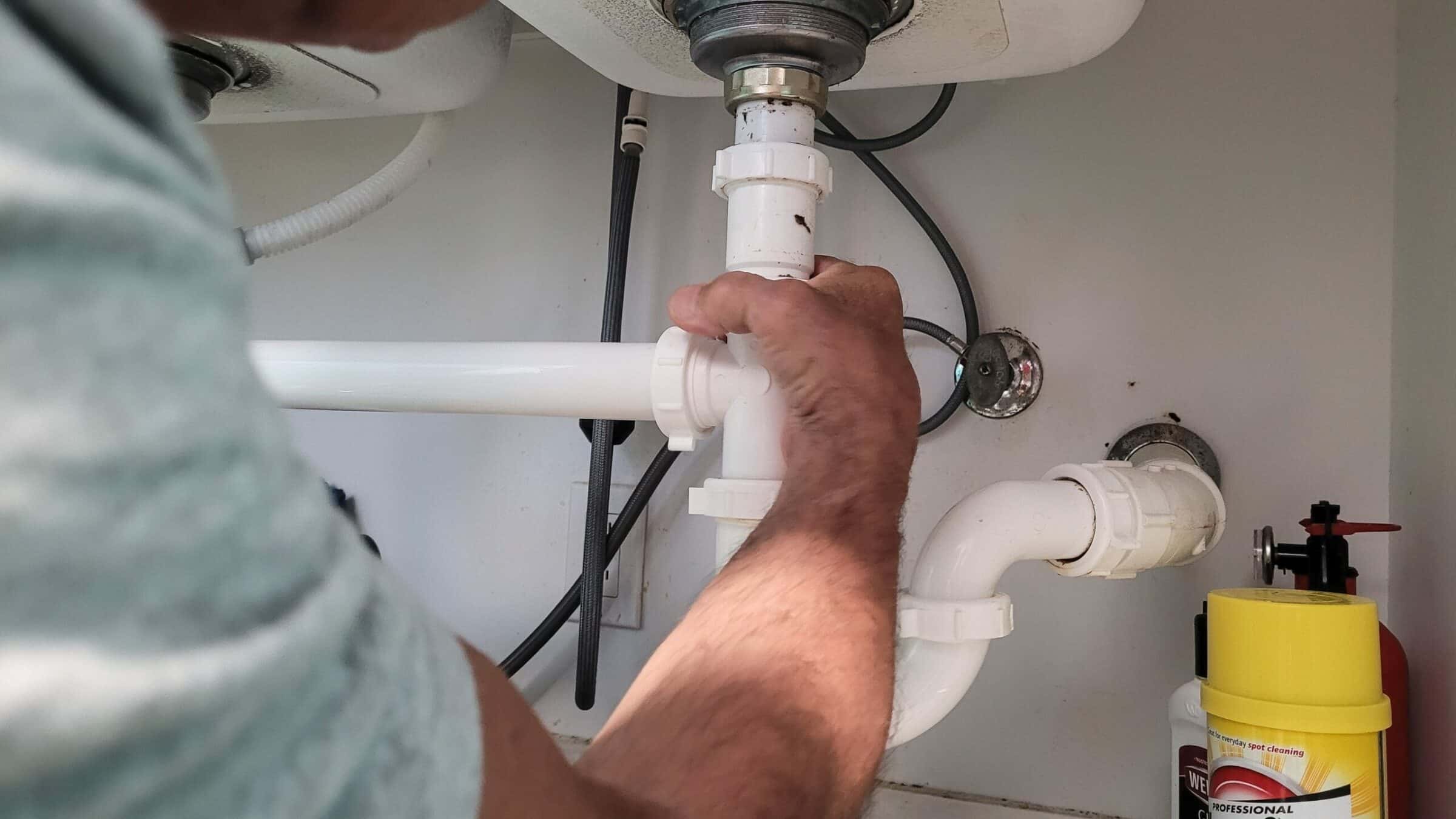
Winter in Michigan is beautiful but for homeowners, it can also bring some serious plumbing challenges. Freezing temperatures, snow, and sudden temperature drops can create the perfect storm for burst pipes, clogged drains, and expensive repairs.
The good news is that with a little preparation, most cold-weather plumbing disasters can be prevented. To help homeowners get ready, the team at Vanguard Plumbing put together this guide on how to winterize your plumbing system and protect your home from unnecessary damage.
Why Winter Puts Plumbing Systems at Risk
Before diving into the checklist, it helps to understand why plumbing is so vulnerable during winter months. Michigan winters bring:
- Freezing temperatures that can cause pipes to burst
- Snow and ice buildup that affects outdoor plumbing fixtures
- Increased indoor water usage as people spend more time at home
- Fluctuating temperatures that stress older systems
When water freezes inside a pipe, it expands. That expansion creates intense pressure, often enough to crack or burst the pipe entirely. A single burst pipe can leak hundreds of gallons of water in a short period — leading to costly water damage, mold, and emergency repairs.
That’s why Vanguard Plumbing recommends winterizing early in the season rather than waiting until the first freeze hits.
Step 1: Insulate Exposed Pipes
One of the most effective ways to protect your plumbing is also one of the simplest: insulating exposed pipes. Pipes that run through unheated spaces like basements, crawl spaces, garages, and attics are especially vulnerable to freezing.
Tips for Insulating Pipes:
- Use foam pipe sleeves or fiberglass insulation to cover exposed pipes.
- Pay special attention to areas near exterior walls.
- Don’t forget to insulate pipes in unfinished basements and utility areas.
- Seal any drafts or cracks around pipes to block cold air.
Insulation acts as a protective layer that slows down heat loss, helping water inside the pipes stay above freezing even on the coldest days.
Step 2: Disconnect and Drain Outdoor Faucets
Outdoor faucets and hose bibs are some of the first components to freeze when temperatures drop.
To prevent damage:
- Turn off the water supply to outdoor spigots.
- Disconnect hoses, drain them fully, and store them indoors.
- Open the outdoor faucet to allow any remaining water to drain out.
- Consider installing frost-free hose bibs if you live in an older home.
This simple step can save you from dealing with cracked outdoor fixtures or burst pipes running to exterior spigots.
Step 3: Service Your Water Heater
Michigan winters mean heavy use of your water heater. As temperatures drop, water coming into the house is colder, and your water heater must work harder to maintain warm water. A poorly maintained water heater can lead to inefficiency, inconsistent temperatures, or even total failure when you need it most.
Vanguard Plumbing’s Water Heater Tips:
- Flush sediment buildup from the tank to improve performance.
- Check the temperature setting (120°F is usually ideal).
- Inspect for leaks, rust, or strange noises.
- Schedule a professional service if it hasn’t been maintained in the last year.
Regular water heater maintenance ensures your system can keep up with winter demand without unexpected breakdowns.
Step 4: Keep Indoor Temperatures Consistent
Even if you’re away from home, keeping your thermostat at a minimum of 65°F can prevent frozen pipes. Lowering the heat too much during a cold snap is a common cause of burst pipes — especially in areas like basements, attics, or rooms with exterior plumbing.
Pro tip from Vanguard Plumbing:
Open cabinet doors under sinks in kitchens and bathrooms during extreme cold spells. This allows warm air to circulate around pipes, reducing the chance of freezing.
Step 5: Protect and Monitor Sump Pumps
Sump pumps play a crucial role in preventing basement flooding. However, if discharge lines freeze or pumps fail, melted snow and ice can quickly lead to water backup.
To prepare your sump pump for winter:
- Clean out the sump pit and check the float switch.
- Ensure the discharge line is clear of debris and directed away from the foundation.
- Insulate or wrap any exposed discharge pipes.
- Test the pump to make sure it turns on automatically.
If your sump pump hasn’t been serviced in a while, Vanguard Plumbing can inspect and maintain it before freezing temperatures set in.
Step 6: Seal Drafts and Cold Air Leaks
Cold air entering through gaps, cracks, and poorly sealed areas can dramatically increase the risk of frozen pipes. Even well-insulated plumbing can freeze if cold air is blowing directly on it.
Check around:
- Crawl space vents
- Basement windows
- Utility entry points
- Garage doors and attic access
Sealing these leaks with weather stripping, caulk, or insulation helps protect your plumbing — and can also make your home more energy efficient.
Step 7: Know How to Shut Off Your Water Main
Even with the best preparation, emergencies can happen. If a pipe bursts, knowing how to quickly shut off your water main can limit the damage dramatically.
- Locate the main shutoff valve (usually in the basement or near the water meter).
- Make sure everyone in the household knows where it is.
- Test the valve periodically to ensure it works properly.
In an emergency, shutting off the water can prevent hundreds of gallons from flooding your home before help arrives.
Step 8: Schedule a Professional Inspection Before the First Freeze
Many plumbing issues aren’t visible until they cause major problems. That’s why Vanguard Plumbing recommends scheduling a winter readiness inspection early in the season. A professional can:
- Identify weak or aging pipes
- Spot insulation gaps
- Check for hidden leaks
- Test water heaters and sump pumps
- Ensure your system is prepared for freezing temperatures
Catching potential problems early can save homeowners thousands of dollars in emergency repairs later.
Additional Tips for Winter Plumbing Peace of Mind
- Keep a slow trickle running on extremely cold nights for faucets connected to exterior walls. Moving water is less likely to freeze.
- If you plan to be away for the holidays, consider shutting off the main water supply and draining your pipes.
- Install smart leak detectors in high-risk areas like basements and laundry rooms for early warning of problems.
- Upgrade older pipes if they’re showing signs of wear — especially if they’ve frozen before.
When to Call Vanguard Plumbing
Even with great preparation, winter plumbing problems can still happen — and when they do, fast, local help matters.
Vanguard Plumbing has years of experience helping Michigan homeowners handle:
- Burst or frozen pipes
- Water heater failures
- Sump pump malfunctions
- Emergency leaks and flooding
- Drain and sewer backups caused by winter weather
The team is local, licensed, and equipped with advanced tools to diagnose and fix problems quickly, minimizing damage and stress.
📞 Phone: 248-797-6955
📧 Email: vanguardjetting@gmail.com
📍 Address: 32655 Industrial Drive, Madison Heights, MI 48071
🗺 Service Areas: Oakland County, Macomb County, and nearby communities
A Winter Plumbing Checklist for Homeowners
Before the first major freeze, run through this quick checklist:
✅ Insulate exposed pipes
✅ Disconnect and drain outdoor faucets
✅ Flush and service your water heater
✅ Keep indoor temperatures above 55°F
✅ Inspect and protect sump pumps
✅ Seal cold air leaks
✅ Locate your water shutoff valve
✅ Schedule a professional winter inspection
Following these steps significantly reduces the chances of frozen pipes or costly winter plumbing emergencies.
Michigan winters are tough, but with a bit of preparation, your plumbing system doesn’t have to suffer. Taking the time now to insulate pipes, service your water heater, and schedule a professional inspection can save you from unexpected damage, expensive repairs, and major headaches later in the season.
If you need expert help getting your home ready for winter, or if an emergency does strike, Vanguard Plumbing is ready to respond quickly and professionally.
👉 Call 248-797-6955 to schedule your winter plumbing inspection or emergency service today.
